10. Conclusions & Observations
The analysis of the reinforced concrete section performed by spColumn conforms to the provisions of the Strength Design Method and Unified Design Provisions with all conditions of strength satisfying the applicable conditions of equilibrium and strain compatibility.
In the calculation shown above a P-M interaction diagram was generated with moments about the Y-Axis. Since the section and reinforcement distribution are not symmetrical, a different P-M interaction diagram is required for the other orthogonal direction (where moments are about the X-Axis) (The following Figures illustrate the two conditions for the case where fs = fy).
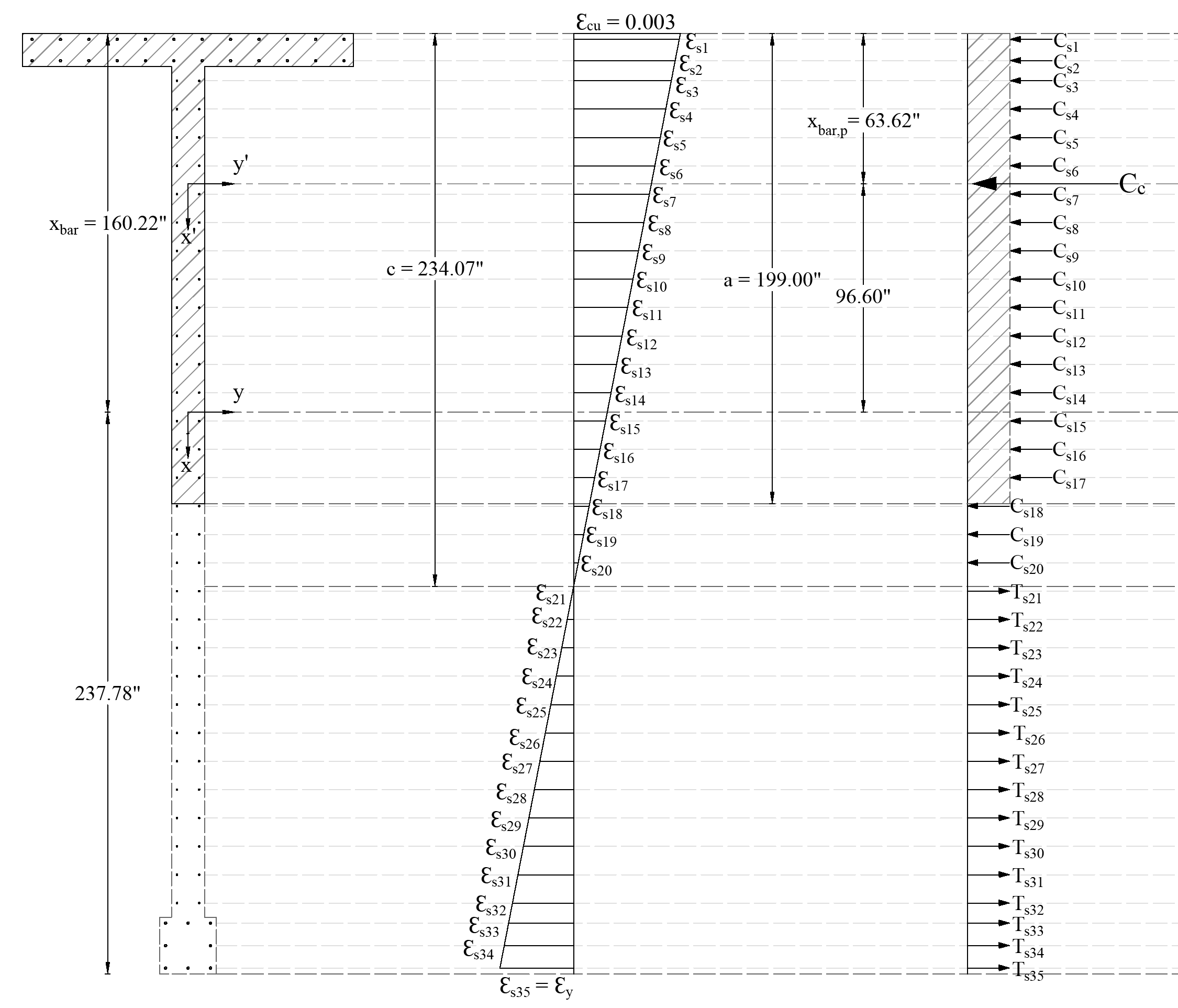
Figure 15 - Strains, Forces, and Moment Arms (fs = fy Moments About y-axis)
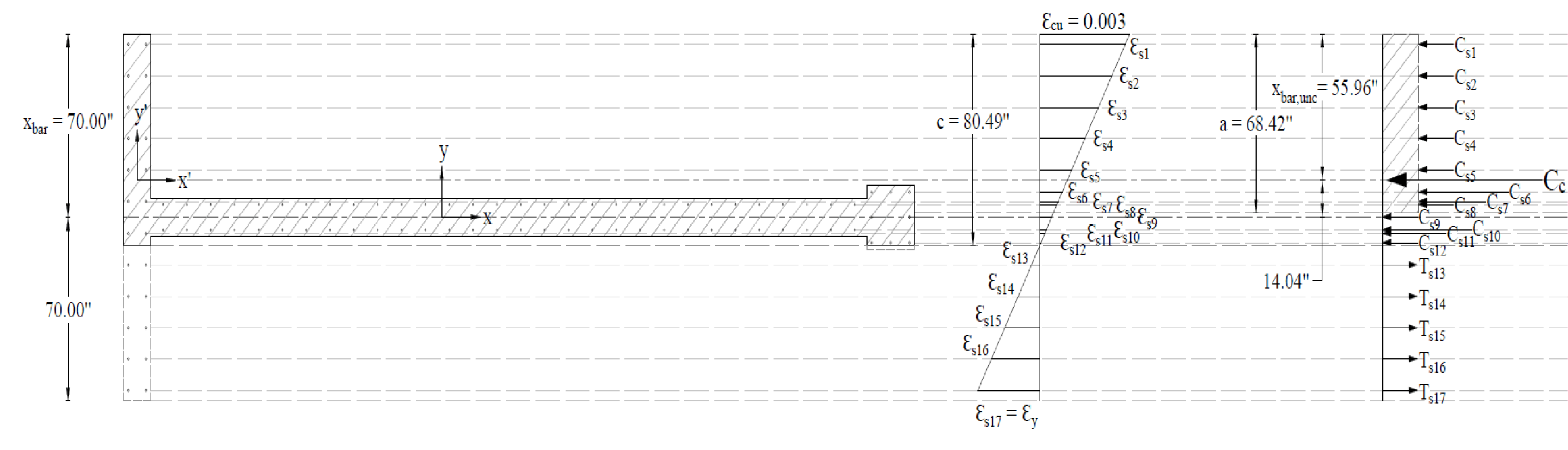
Figure 16 - Strains, Forces, and Moment Arms (fs = fy Moments About x-axis)
When running about the X-Axis, 17 layers of reinforcement are participating instead of 35 layers of reinforcement about y-axis resulting in a completely different P-M interaction diagram as shown in the following spColumn output. The P-M diagram about x-axis is symmetrical since the section is also symmetrical.
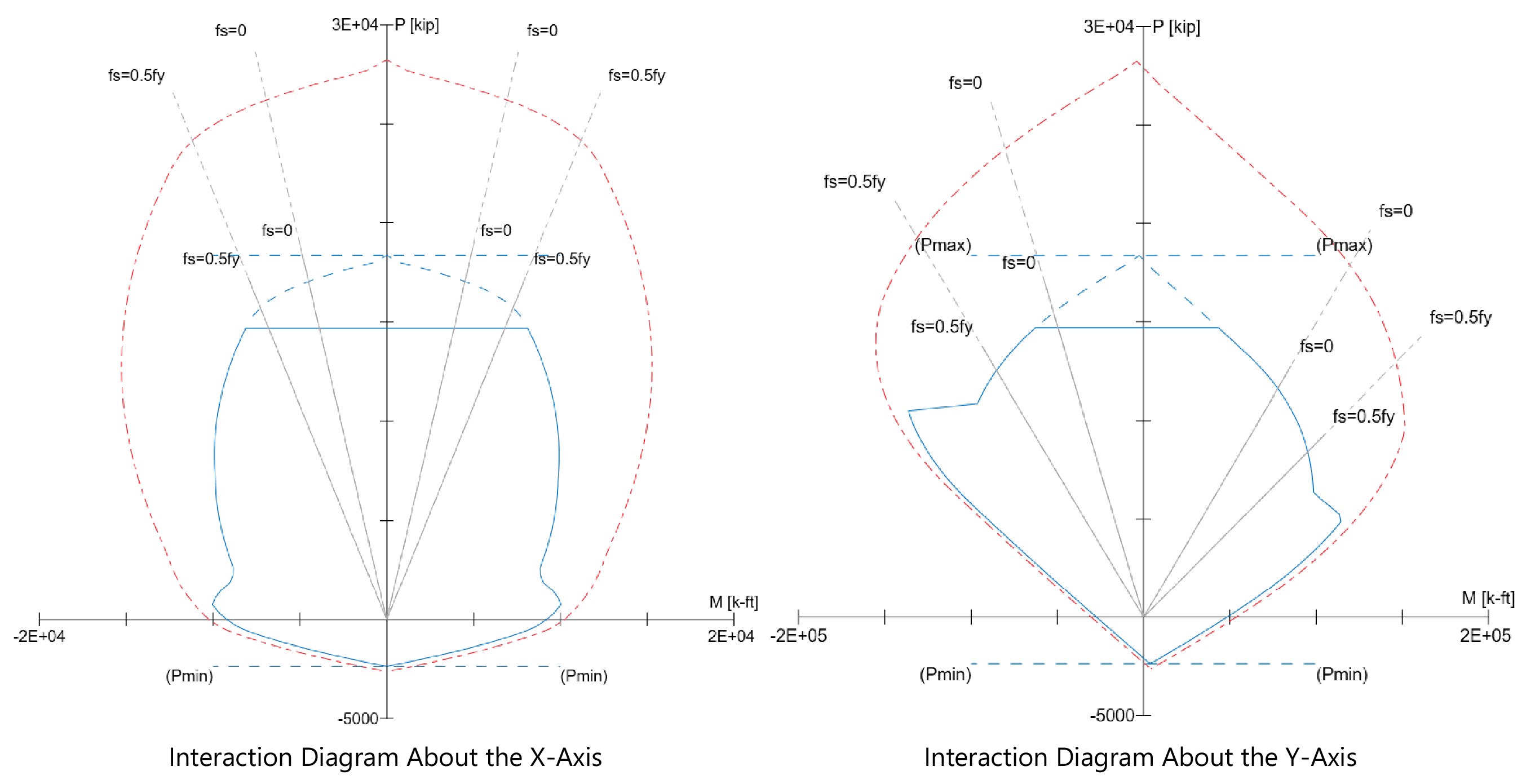
Figure 17 - Comparison of Wall Interaction Diagrams about X-Axis and Y-Axis (spColumn)
In most building design calculations, such as the examples shown in the StructurePoint website, all building columns and walls are subjected to Mx and My due to lateral forces and unbalanced moments from both directions of analysis. This requires an evaluation of the column or wall P-M interaction diagram in two directions simultaneously (biaxial bending) instead of the uniaxial investigation illustrated here.
StucturePoint’s spColumn program can also investigate column and wall sections in biaxial mode to produce the results shown in the following Figure for the wall section in this example. In biaxial run mode, Mx and My diagrams at each axial force level can be viewed in 2D and 3D views.
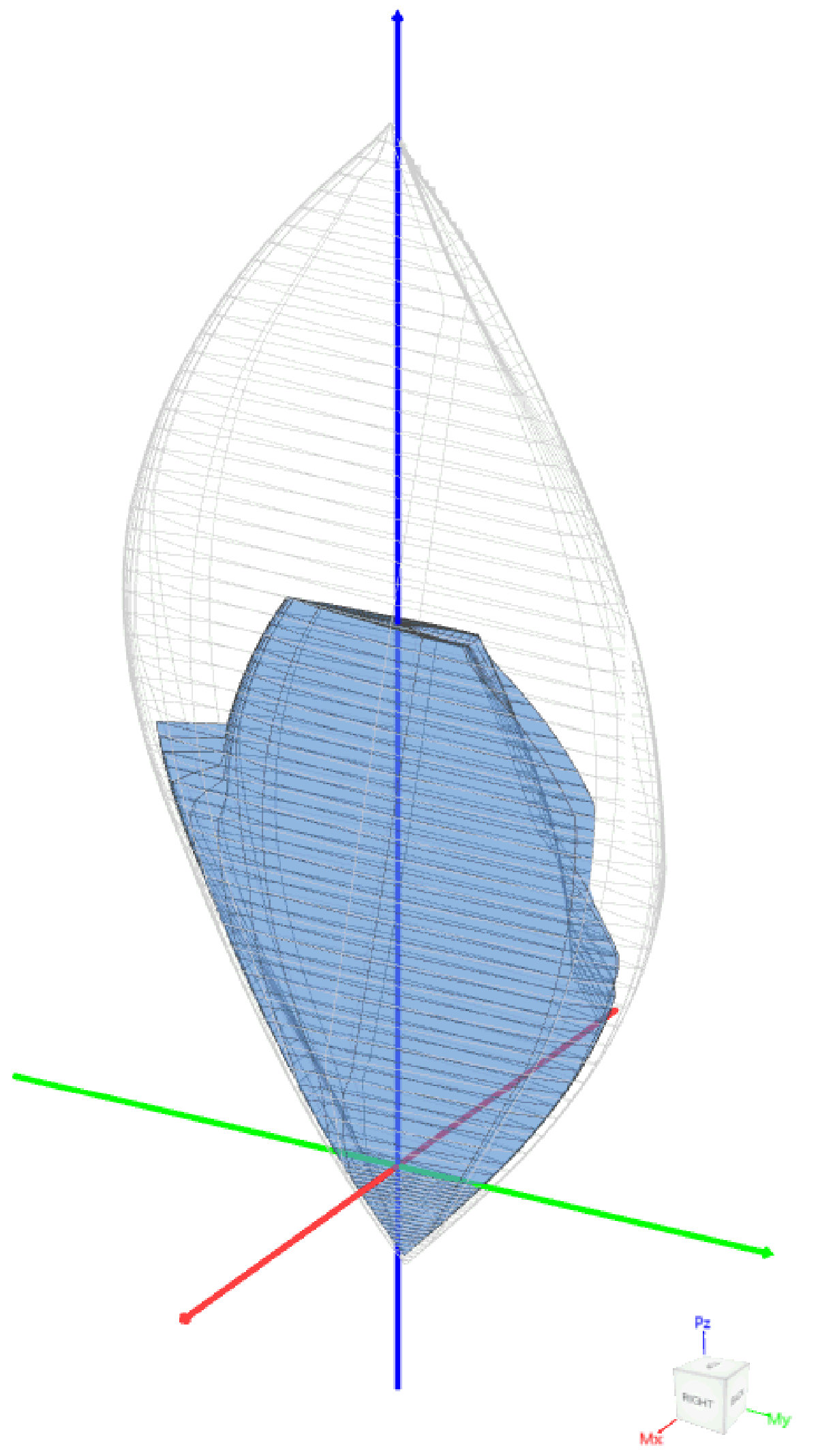
Figure 18 - Nominal & Design 3D Failure Surfaces (Biaxial) (spColumn)
Upon review of the model results, maximum tension strain values for the pure bending control point were deemed too high given the low assumed reinforcement ratio. A revised reinforcement arrangement was implemented as shown below:
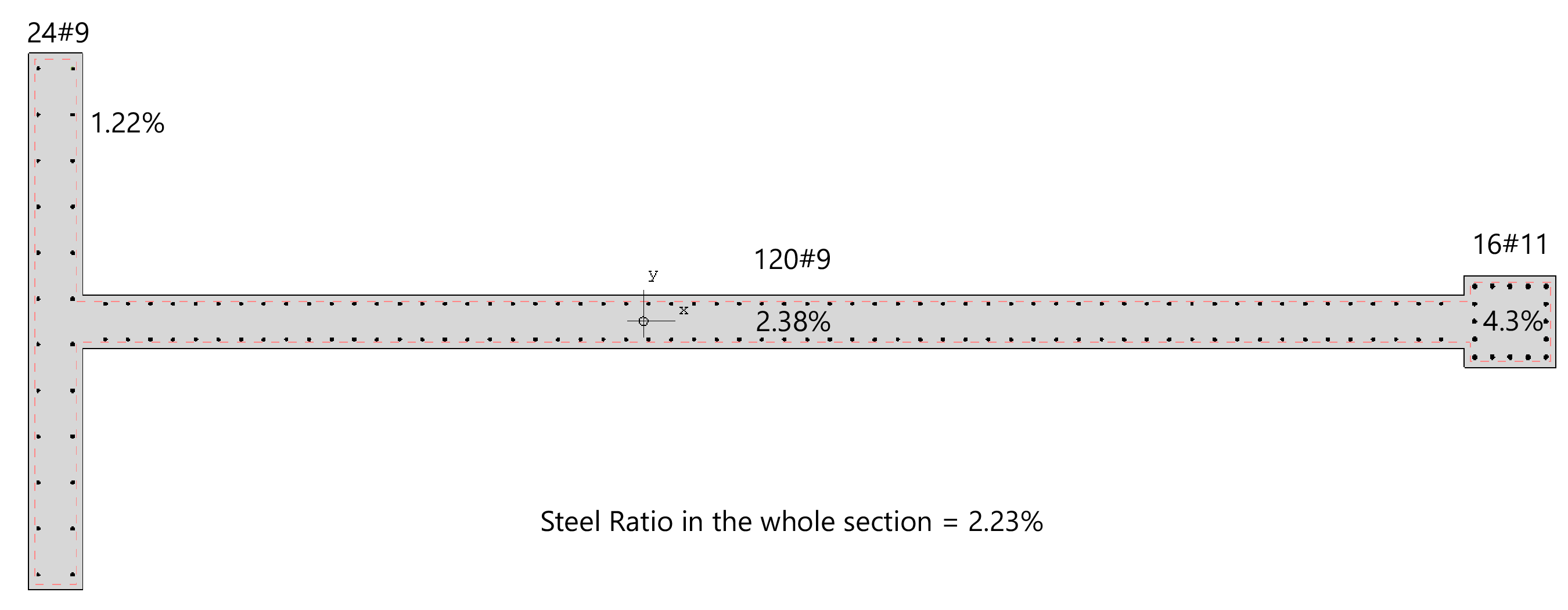
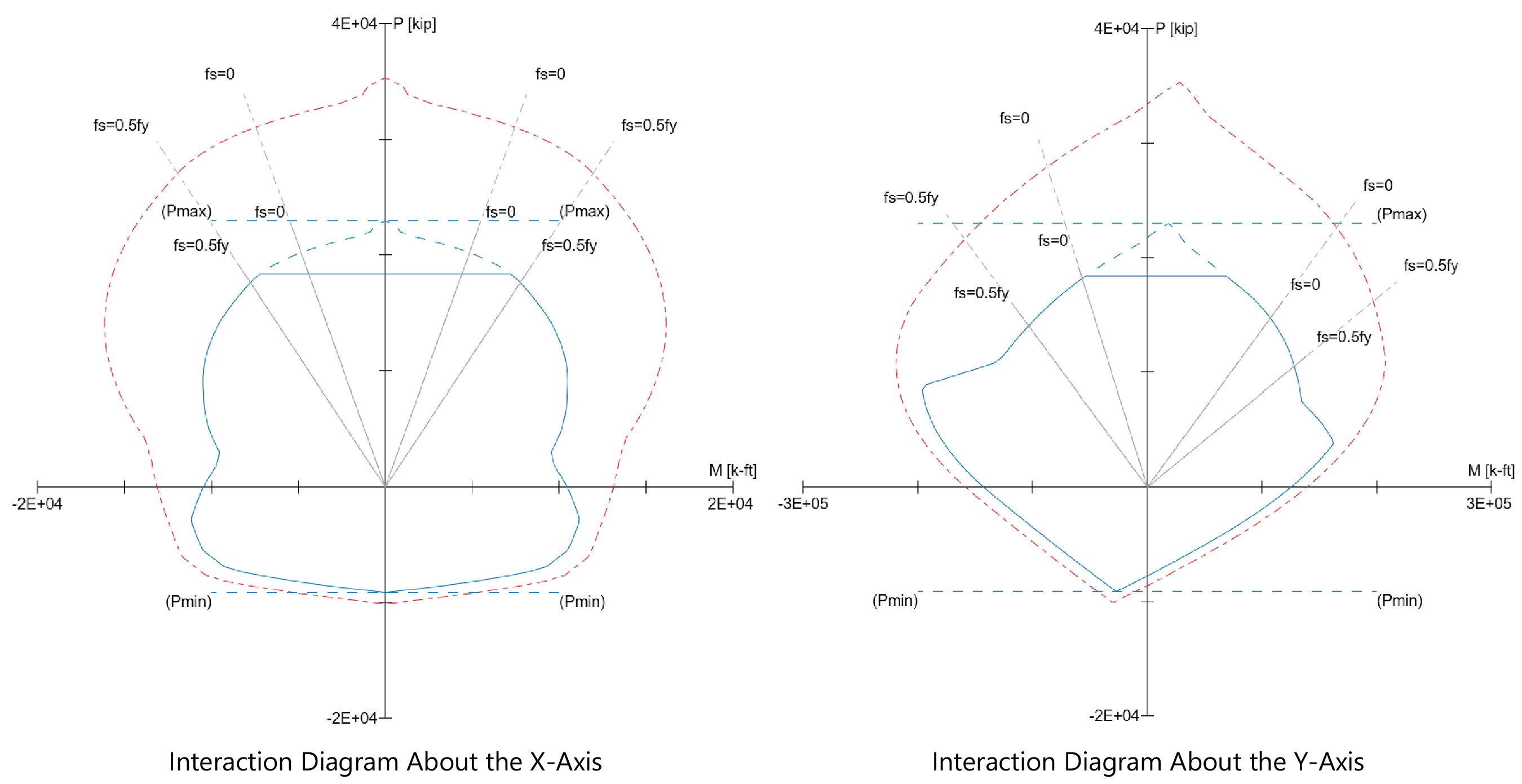
Figure 19 - Comparison of Revised Wall Interaction Diagrams about X-Axis and Y-Axis (s)
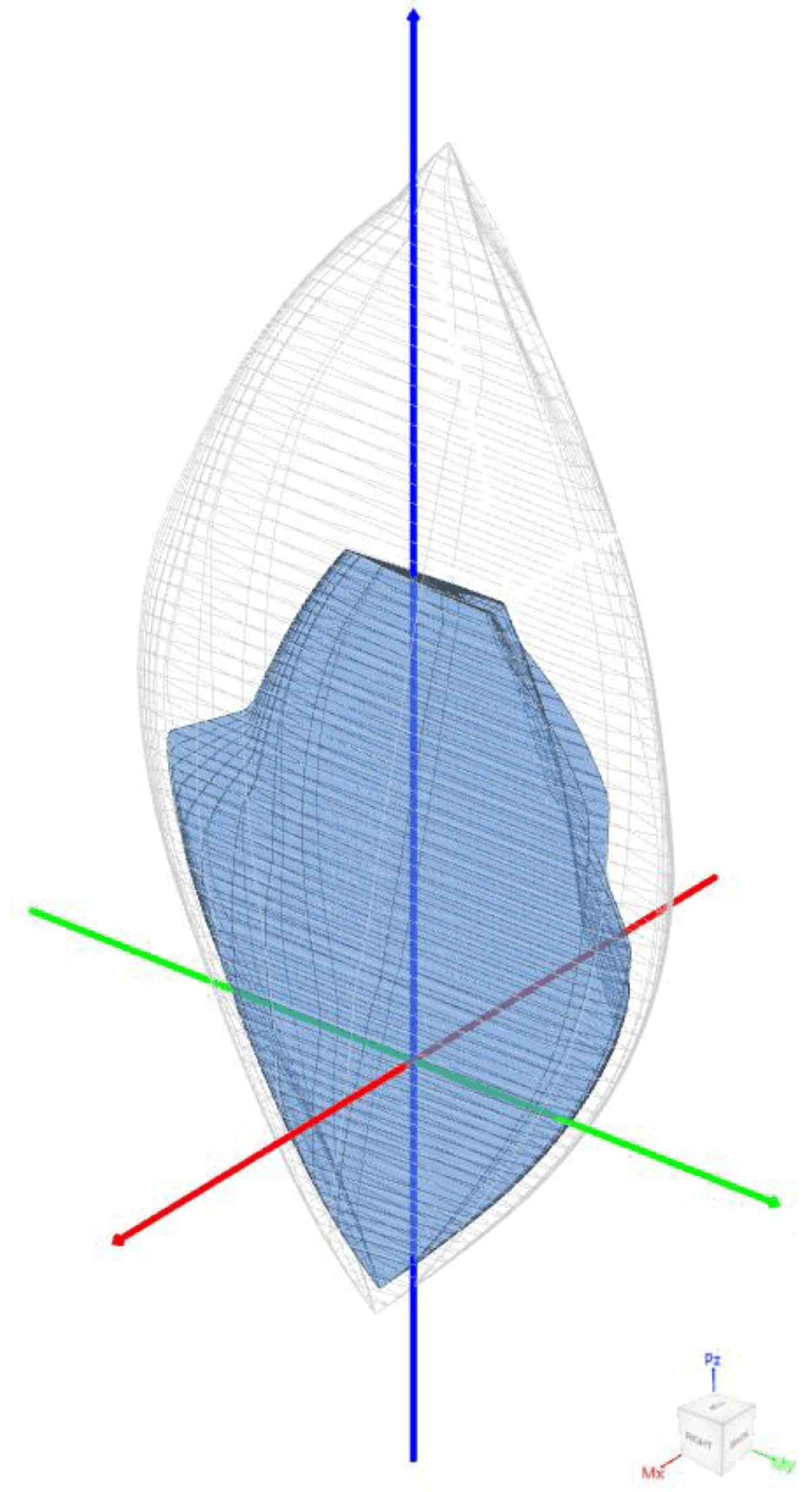
Figure 20 - Revised Wall Nominal & Design 3D Failure Surfaces (Biaxial) (spColumn)
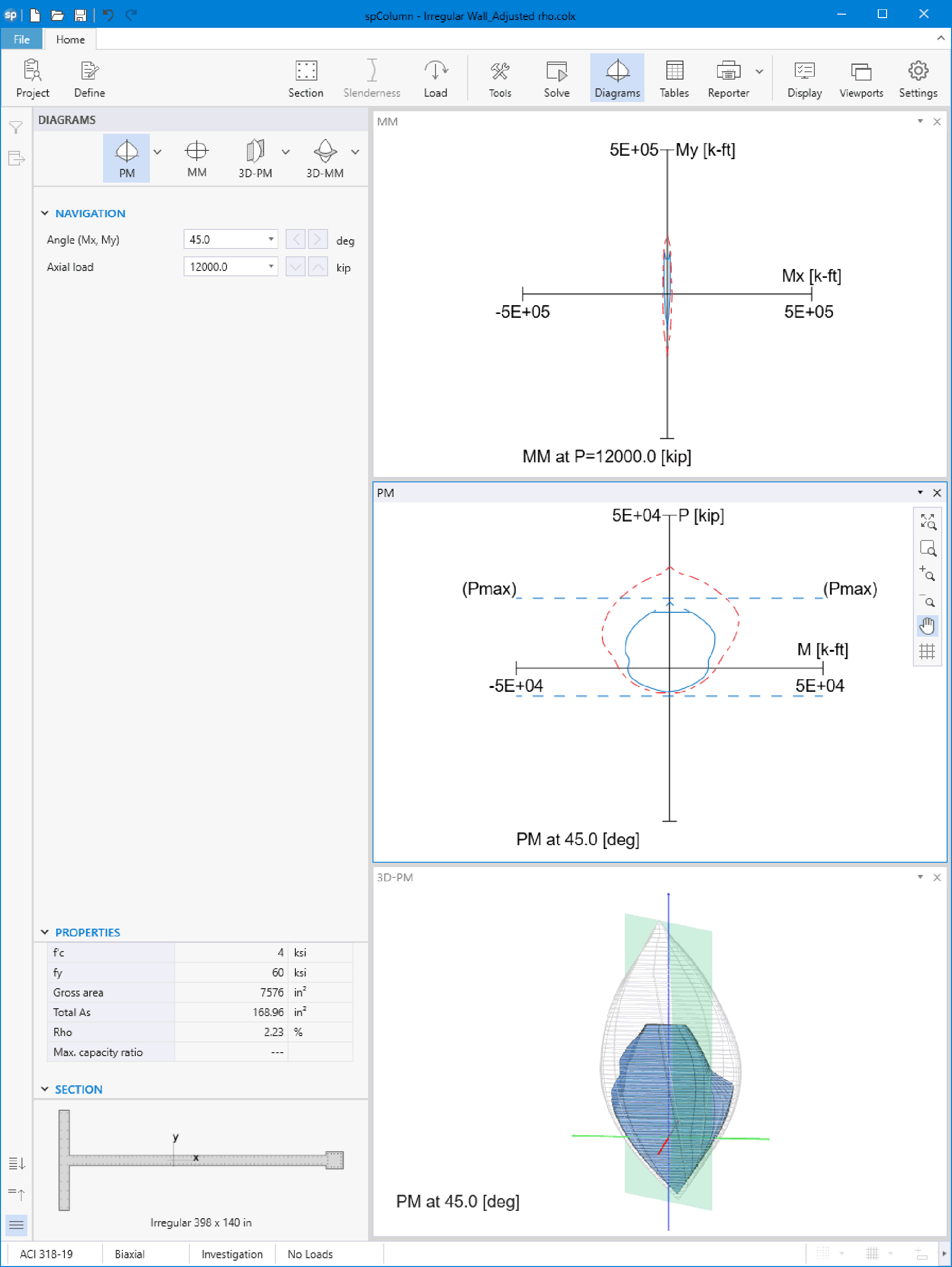
Figure 21 - Revised Wall Interaction Diagram and 3D failure Surface Viewer (spColumn)
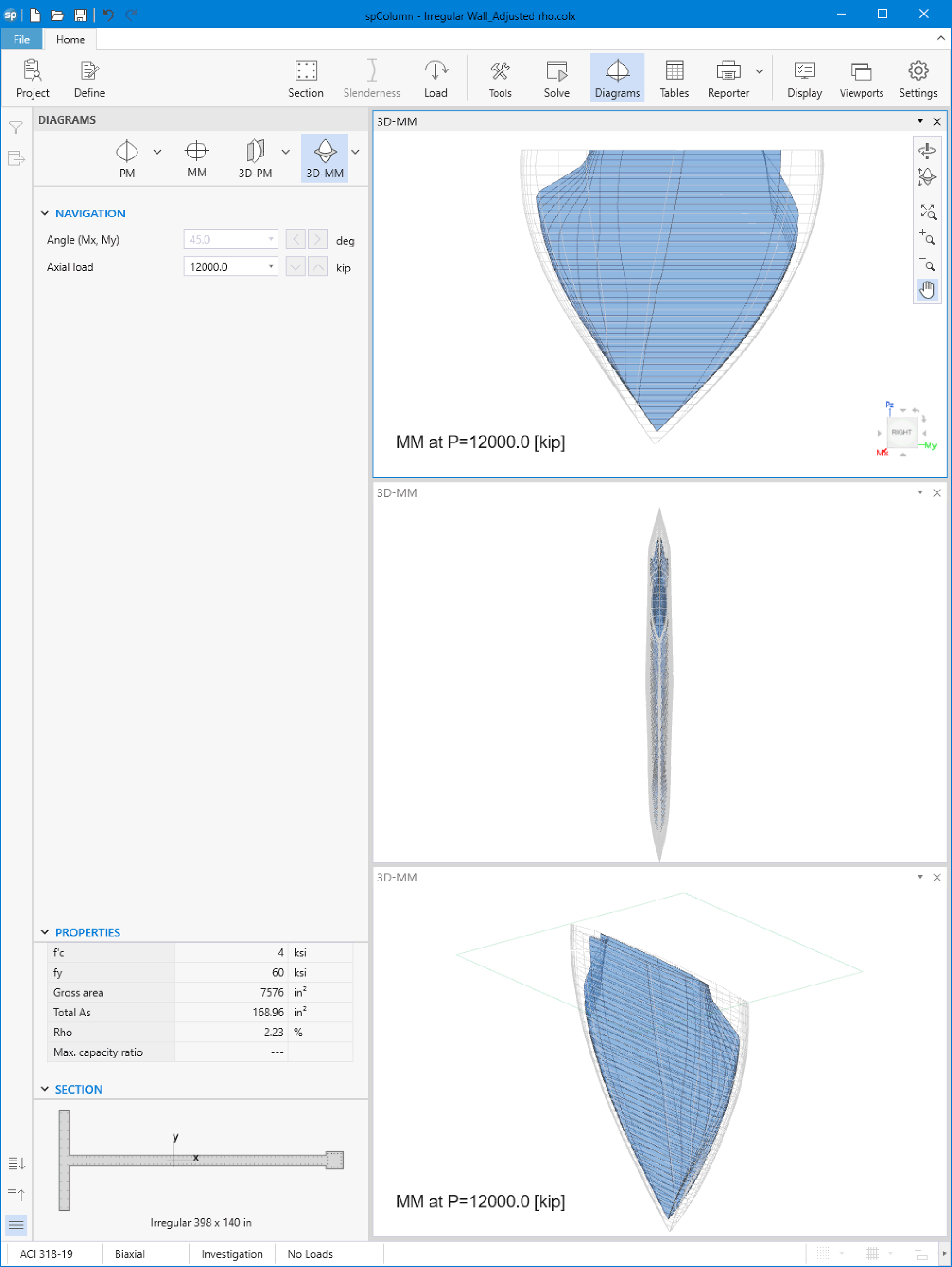
Figure 22 - Revised Wall Failure Surface with a Horizontal Plane Cut a P = 12,000 kip (spColumn)
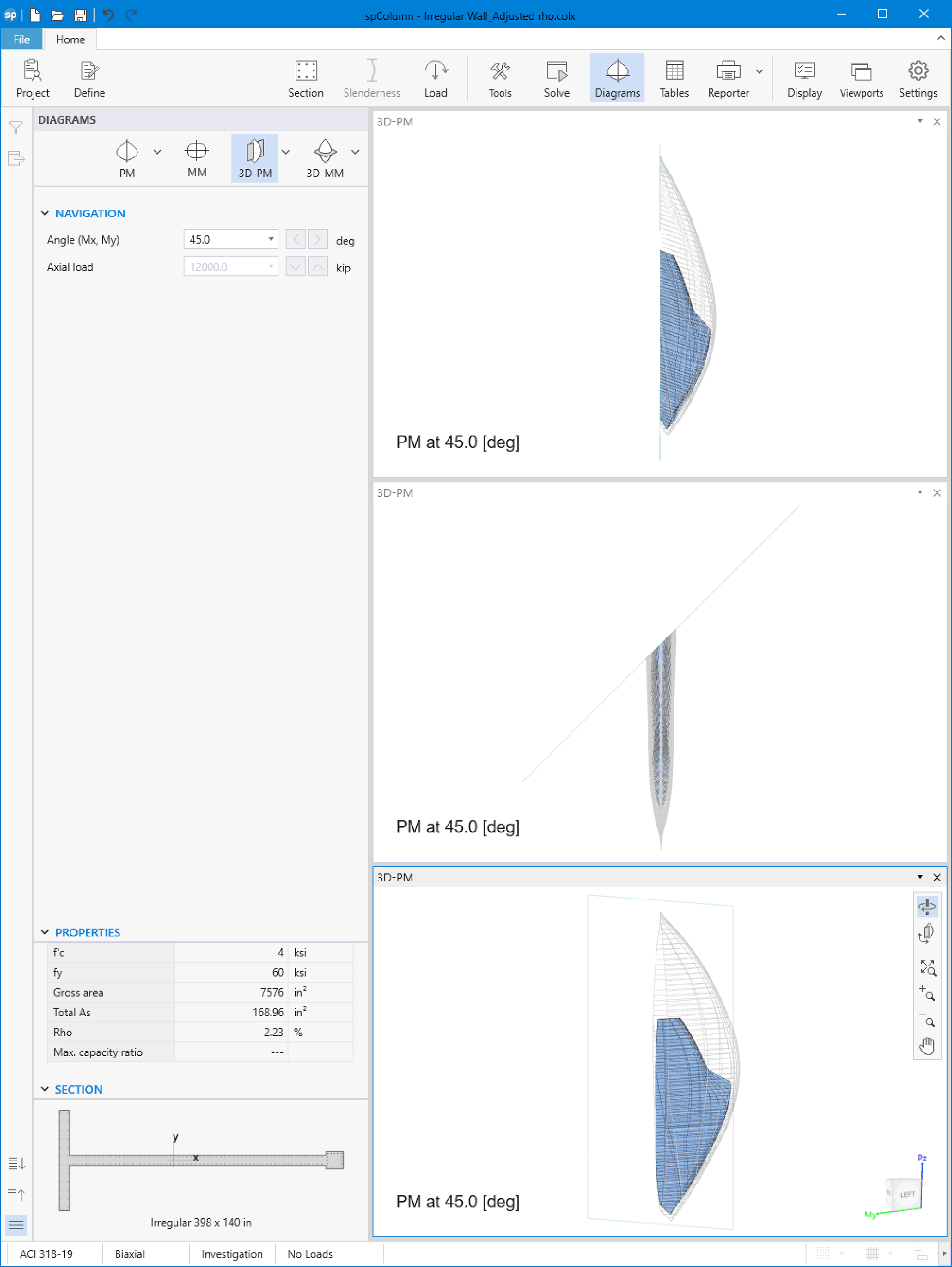
Figure 23 - Revised Wall 3D Failure Surface with a Vertical Plane Cut a 45º (spColumn)