6. Tilt-Up Wall Panel Design Strip Analysis - spWall Software
spWall is a program for the analysis and design of reinforced concrete shear walls, tilt-up walls, precast walls and Insulate Concrete Form (ICF) walls. It uses a graphical interface that enables the user to easily generate complex wall models. Graphical user interface is provided for:
• Wall geometry (including any number of openings and stiffeners)
• Material properties including cracking coefficients
• Wall loads (point, line, and area),
• Support conditions (including translational and rotational spring supports)
spWall uses the Finite Element Method for the structural modeling, analysis, and design of slender and non-slender reinforced concrete walls subject to static loading conditions. The wall is idealized as a mesh of rectangular plate elements and straight line stiffener elements. Walls of any geometry are idealized to conform to geometry with rectangular boundaries. Plate and stiffener properties can vary from one element to another but are assumed by the program to be uniform within each element.
Six degrees of freedom exist at each node: three translations and three rotations relating to the three Cartesian axes. An external load can exist in the direction of each of the degrees of freedom. Sufficient number of nodal degrees of freedom should be restrained in order to achieve stability of the model. The program assembles the global stiffness matrix and load vectors for the finite element model. Then, it solves the equilibrium equations to obtain deflections and rotations at each node. Finally, the program calculates the internal forces and internal moments in each element. At the user’s option, the program can perform second order analysis. In this case, the program considers the effect of in-plane forces on the out-of-plane deflection with any number of openings and stiffeners.
In spWall, the required flexural reinforcement is computed based on the selected design standard (ACI 318-14 is used in this example), and the user can specify one or two layers of wall reinforcement. In stiffeners and boundary elements, spWall calculates the required shear and torsion steel reinforcement. Wall concrete strength (in-plane and out-of-plane) is calculated for the applied loads and compared with the code permissible shear capacity.
For illustration and comparison purposes, the following figures provide a sample of the input modules and results obtained from an spWall model created for the reinforced concrete wall in this example. No in-plane forces were specified for this model.
In this example, ultimate load combination #1 is used in conjunction with one service load combination to report service and ultimate level displacements
Ultimate load combination #1: | 1.2D + 0.5Lr + 1.0L + 1.0W |
Service load combination #1: | 1.0D + 0.5L + 0.5W |
Special loading provisions are made to incorporate the self-weight and wind pressure from windows into the model. Care must be used in determining proper load application points based on windows and door anchorage to the wall. No in-plane lateral forces were specified for this model.
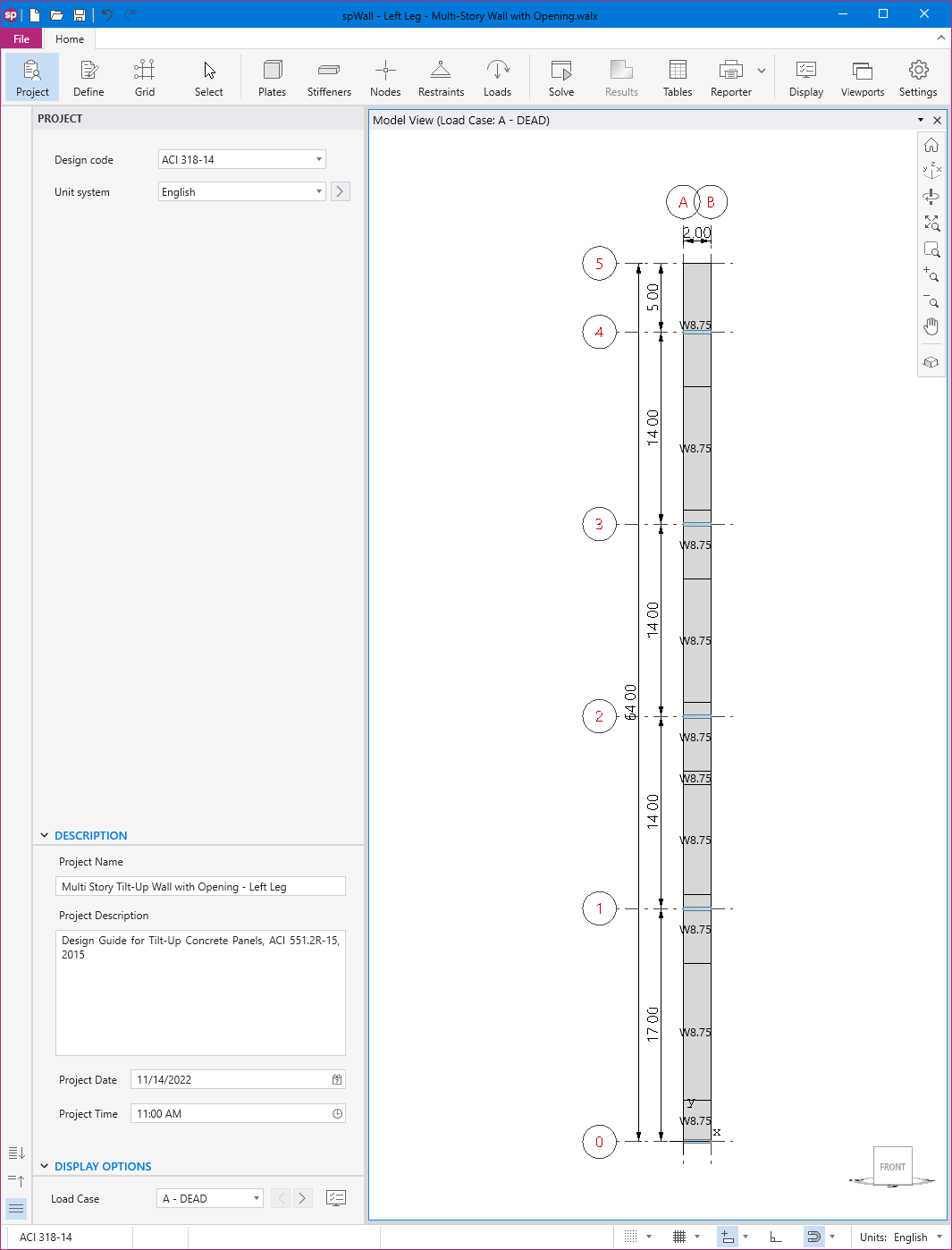
Figure 5 - spWall Interface
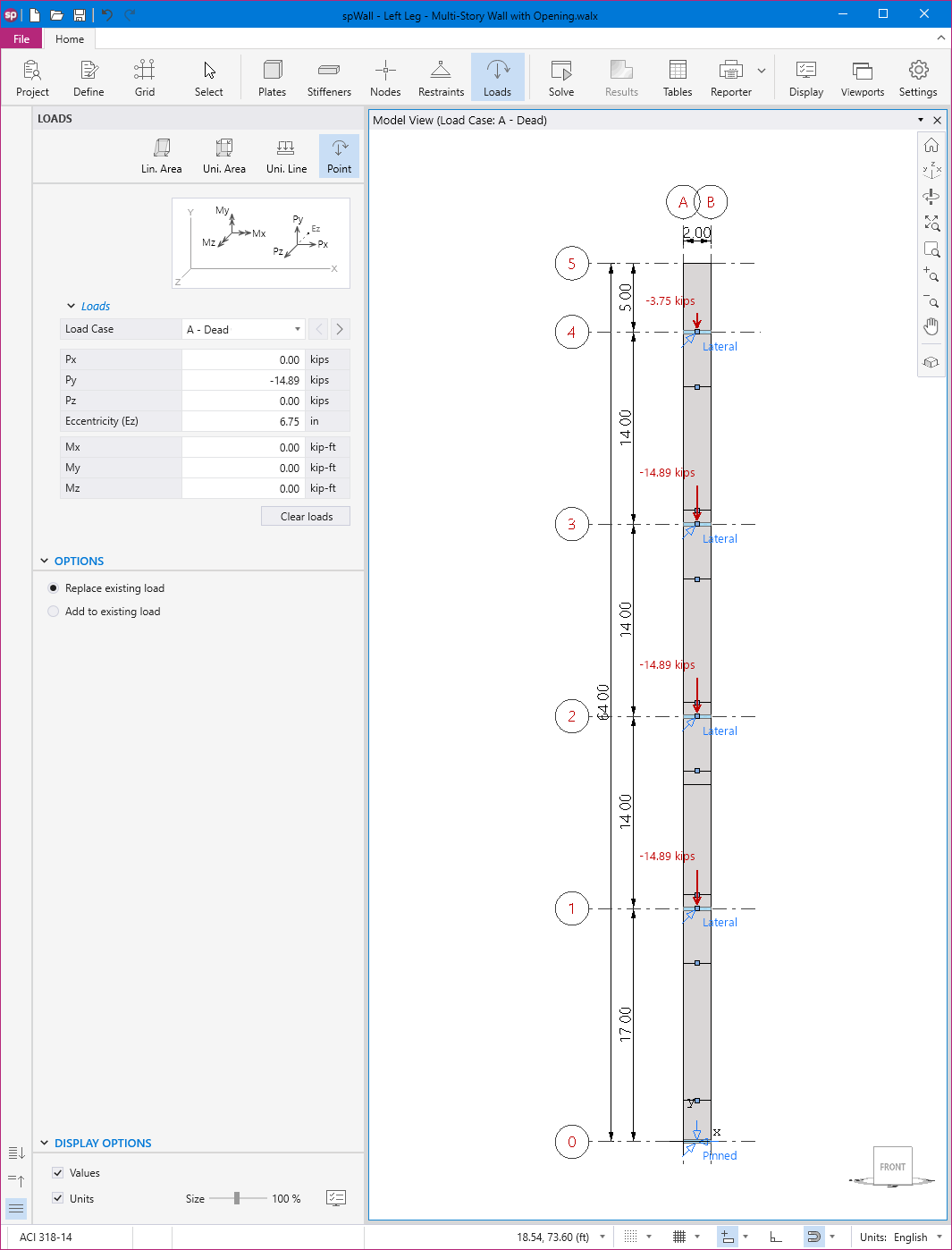
Figure 6 - Assigning Dead Loads for Multi-Story Tilt-Up Wall with Opening (spWall)
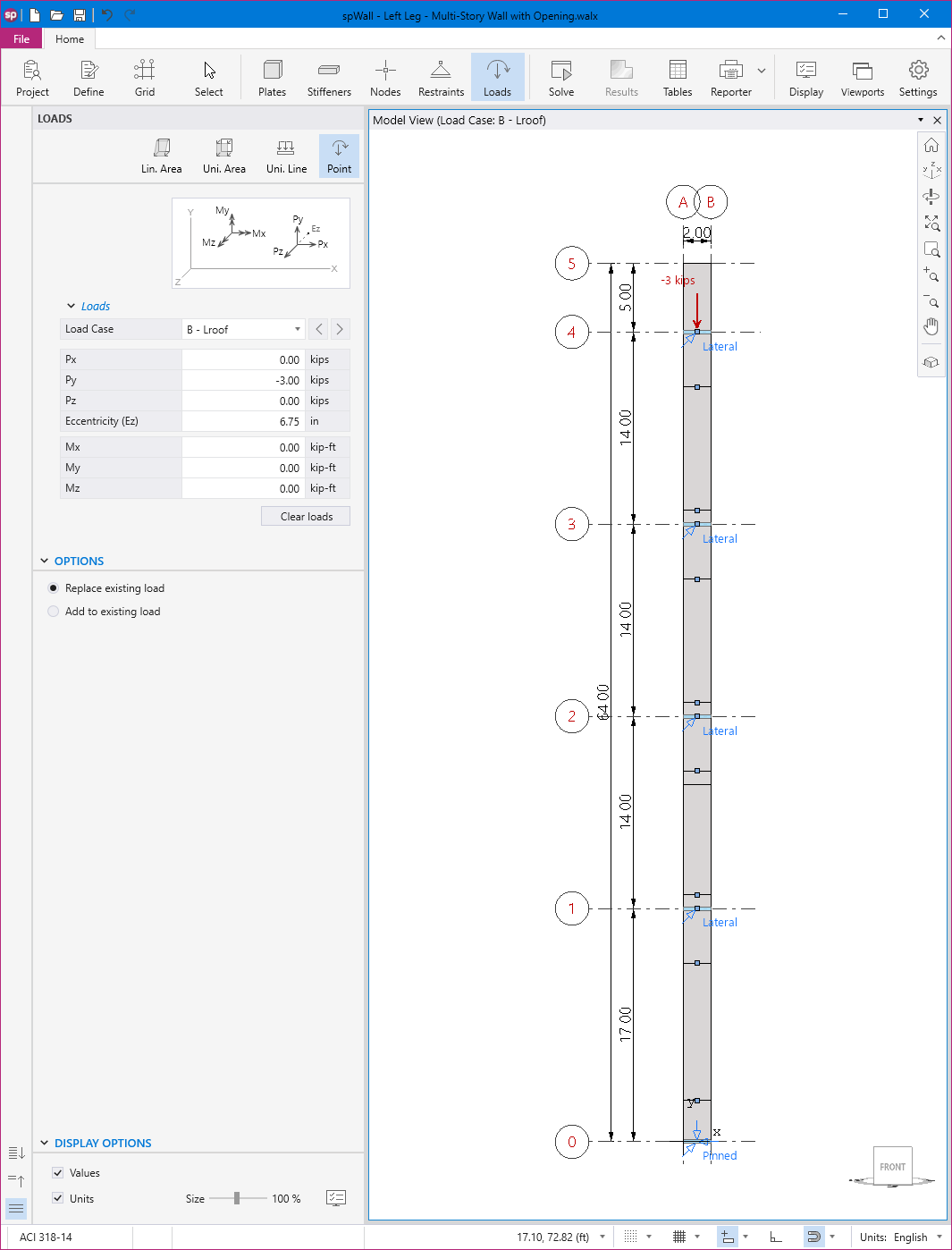
Figure 7 - Assigning Roof Live Loads for Multi-Story Tilt-Up Wall with Opening (spWall)
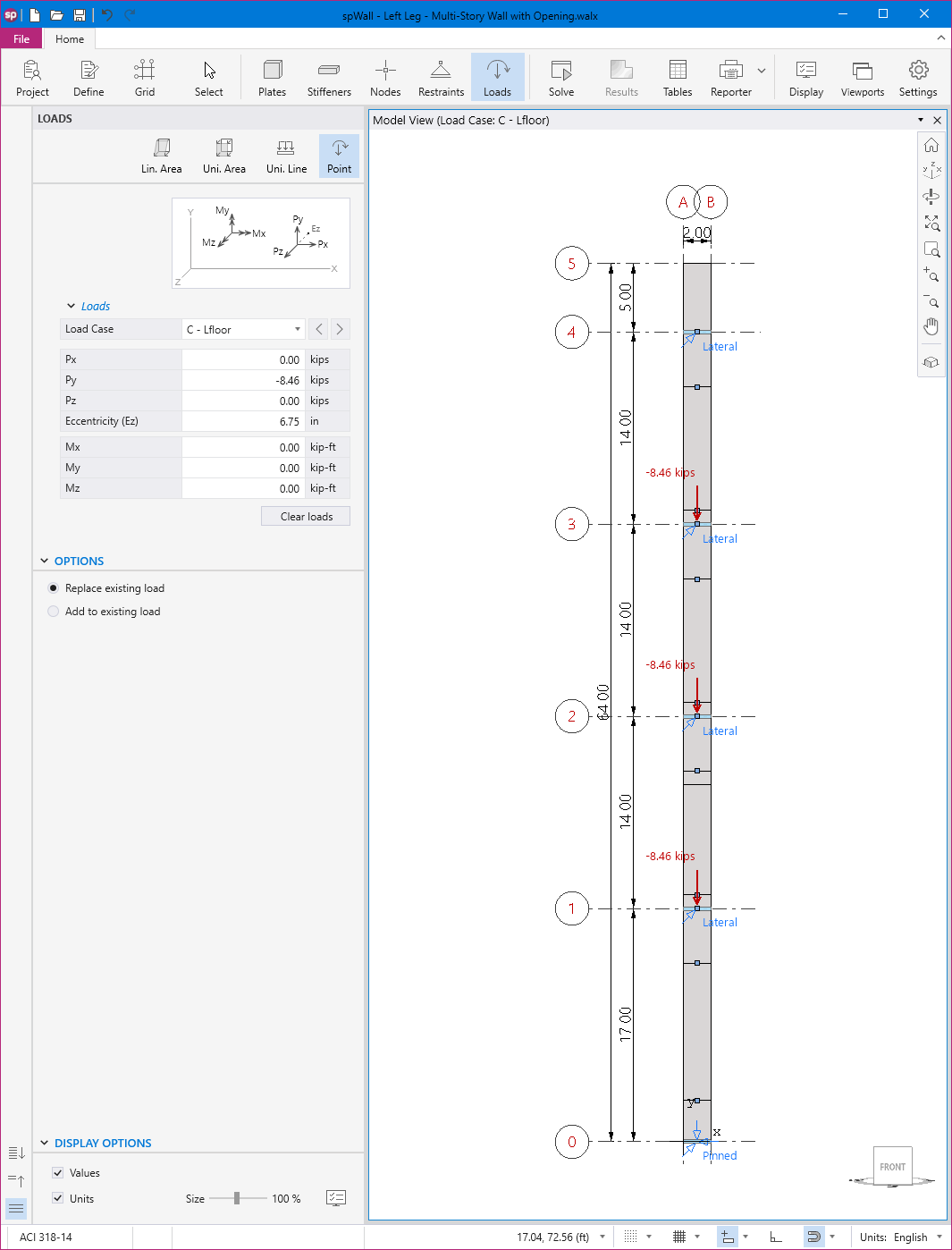
Figure 8 - Assigning Floor Live Loads for Multi-Story Tilt-Up Wall with Opening (spWall)
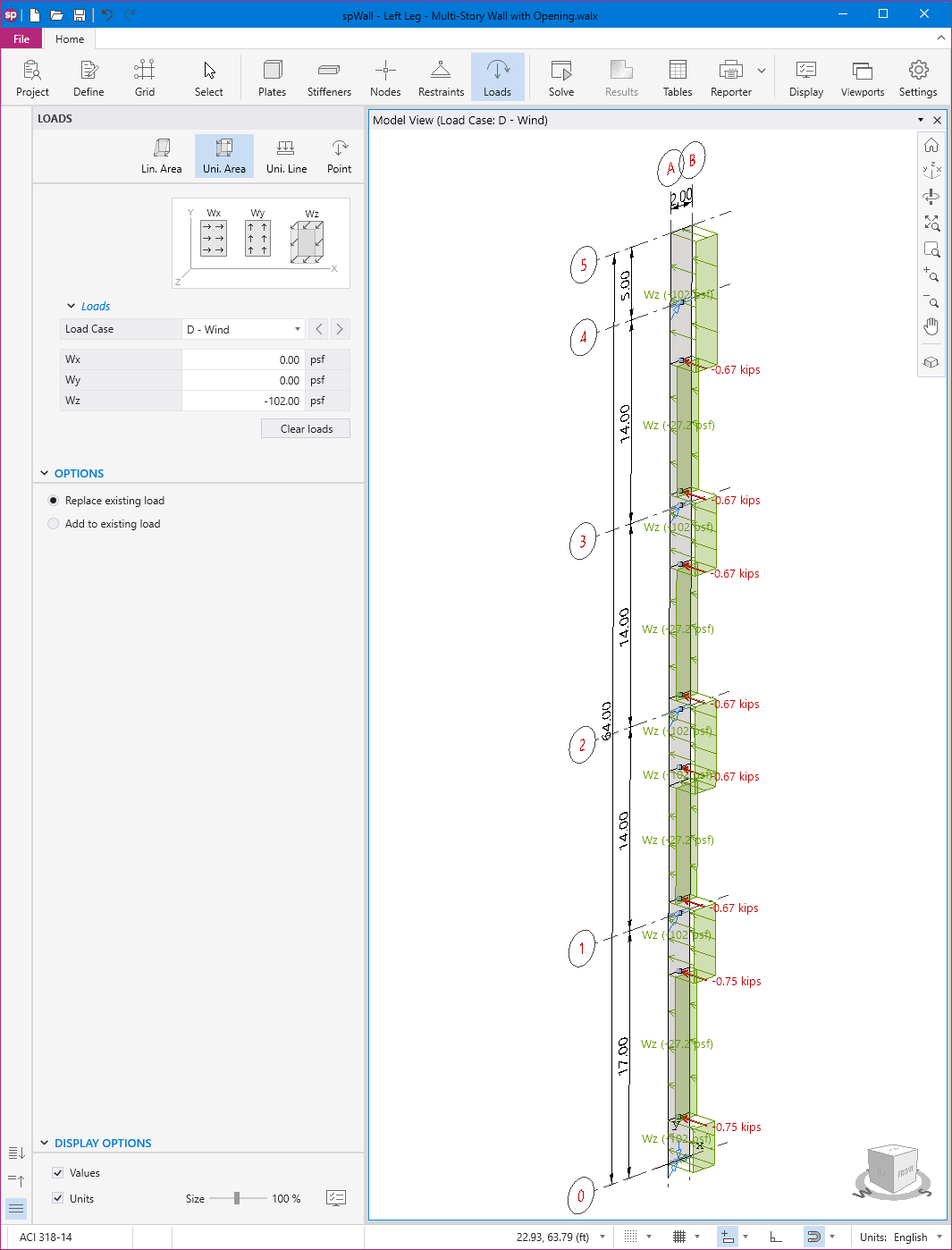
Figure 9 - Assigning Wind Loads for Multi-Story Tilt-Up Wall with Opening (spWall)
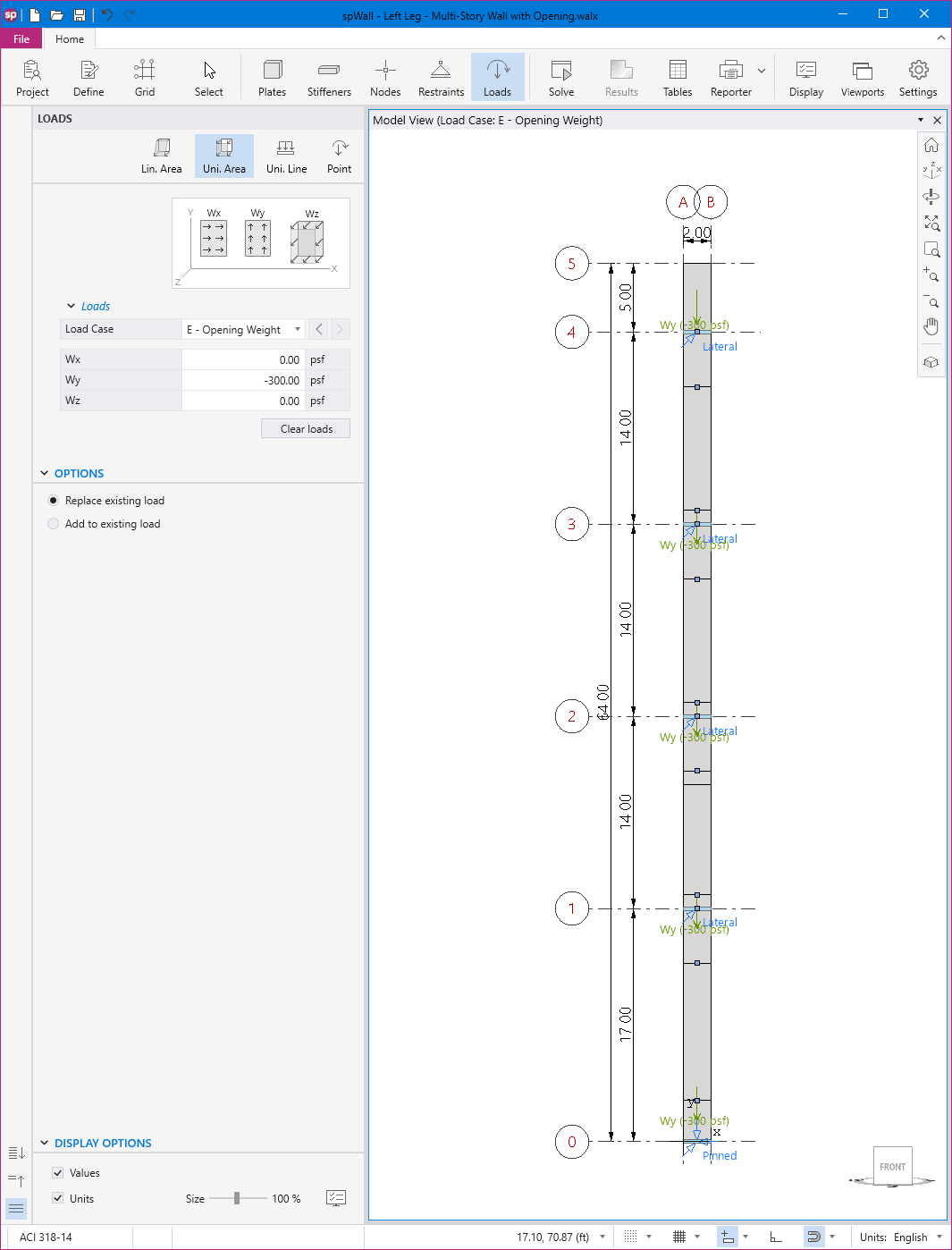
Figure 10 - Assigning Opening Weight Loads for Multi-Story Tilt-Up Wall with Opening (spWall)
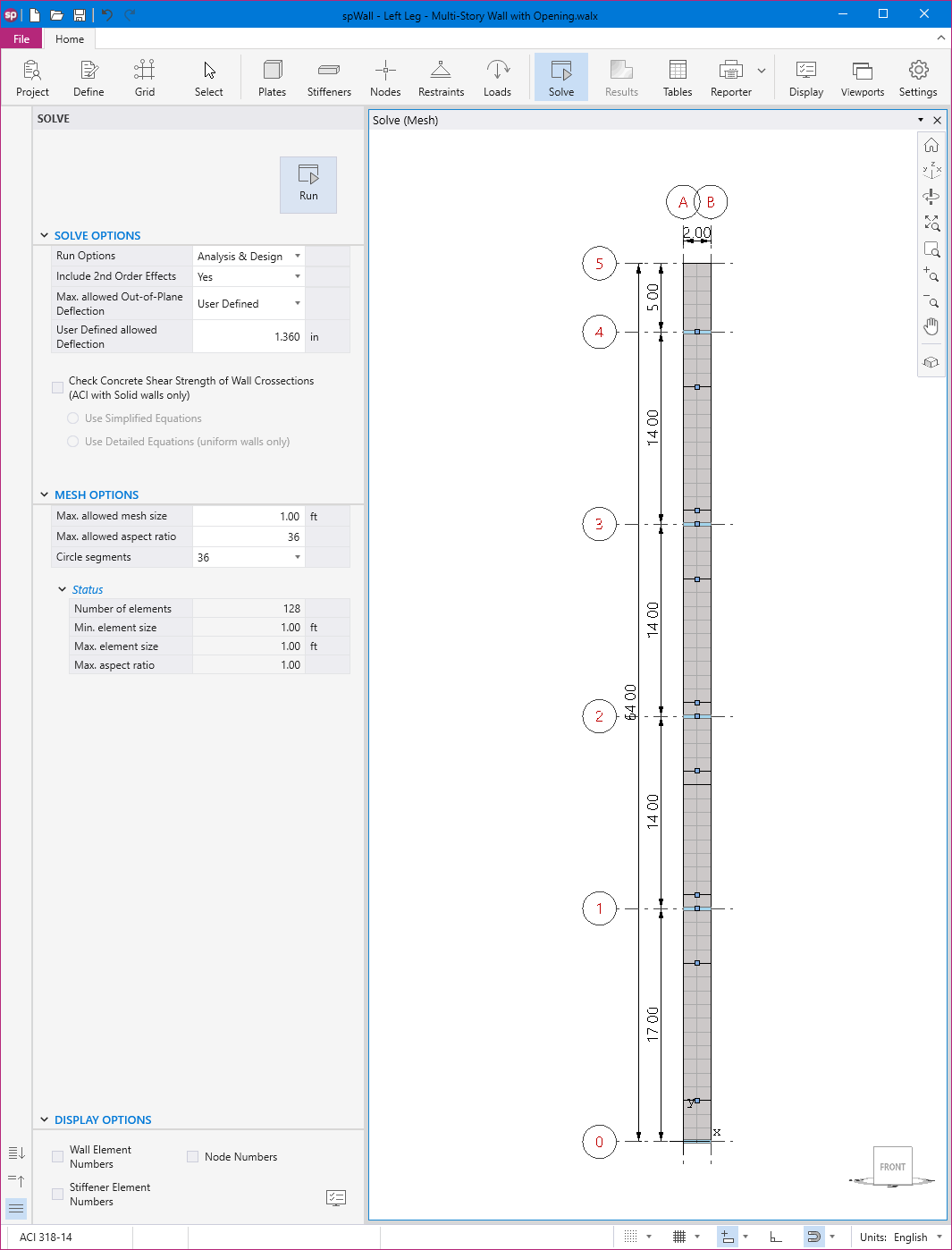
Figure 11 - Solve and Mesh Options (spWall)
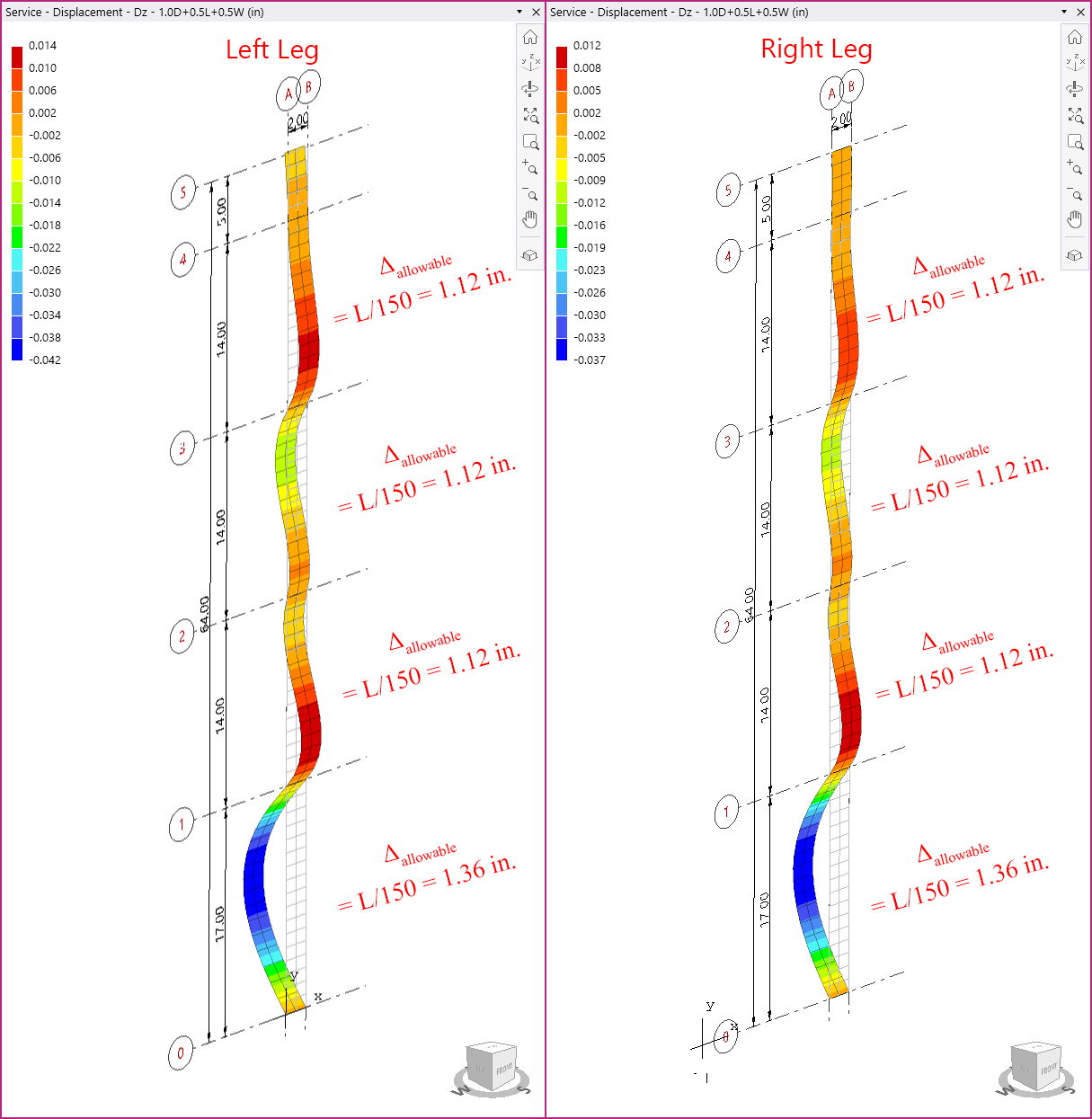
Figure 12 - Tilt-Up Design Strip Service Displacements (in.) (spWall)
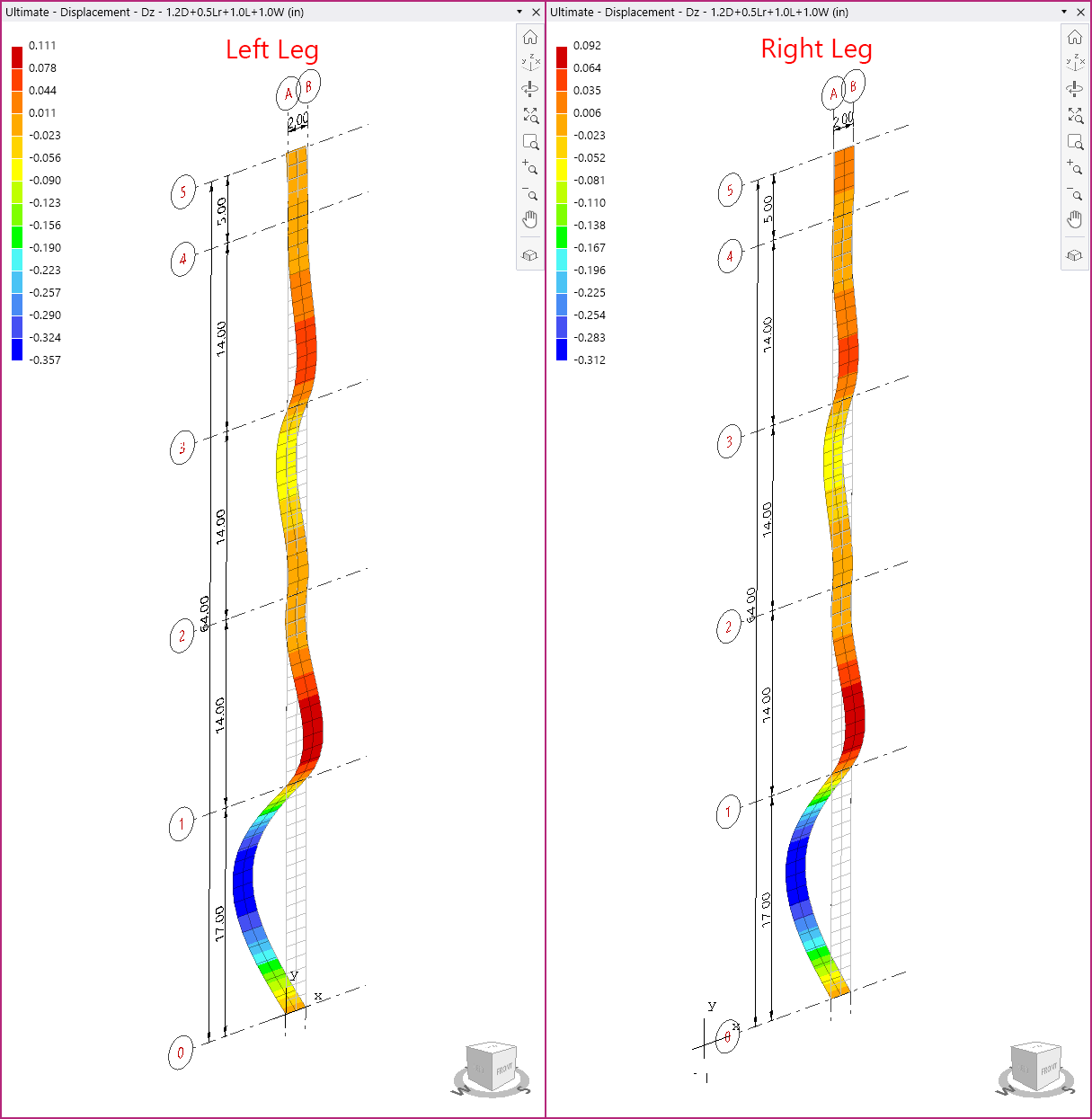
Figure 13 - Tilt-Up Design Strip Ultimate Displacements (in.) (spWall)
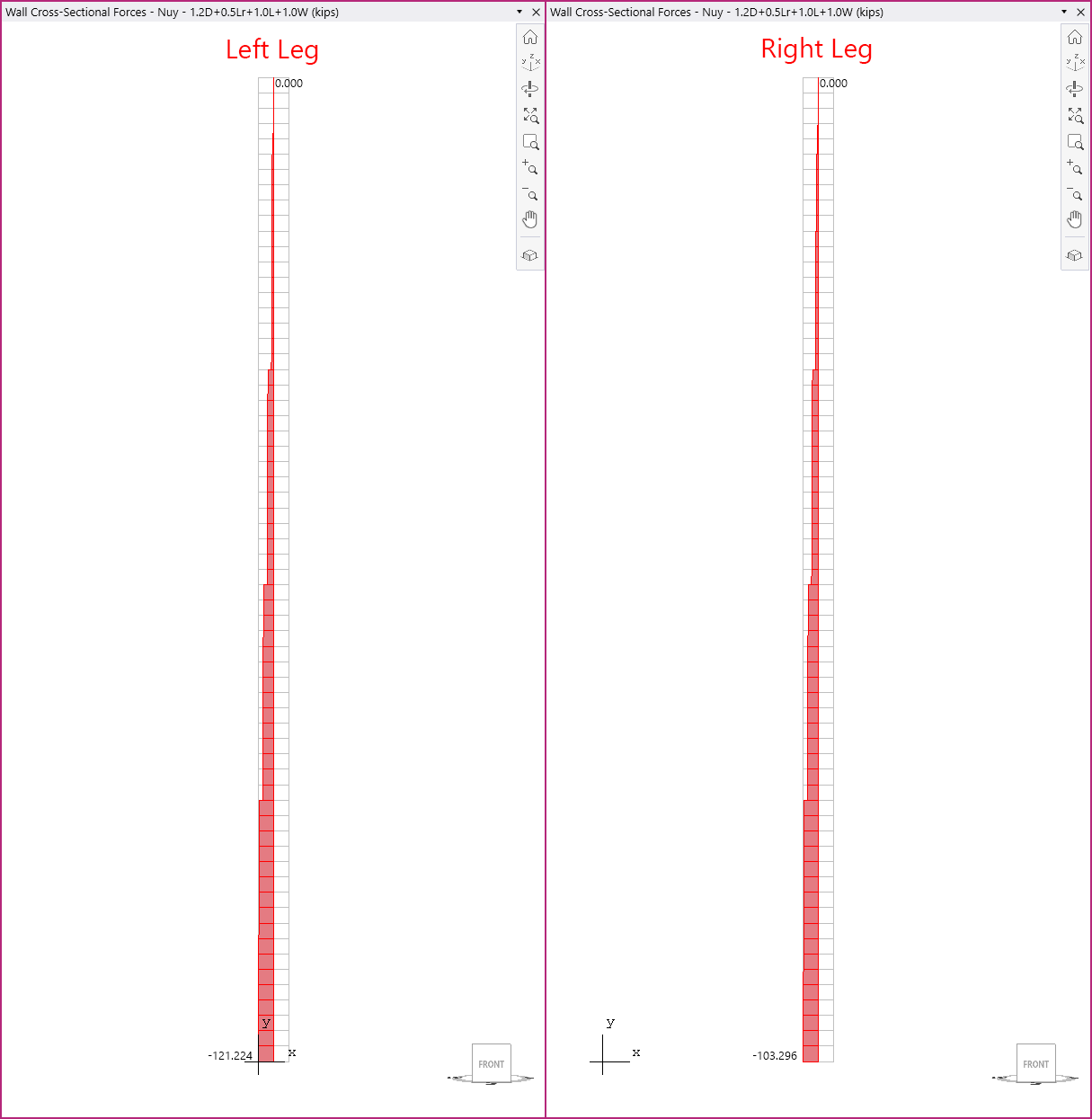
Figure 14 - Axial Force Diagram (kips) (spWall)
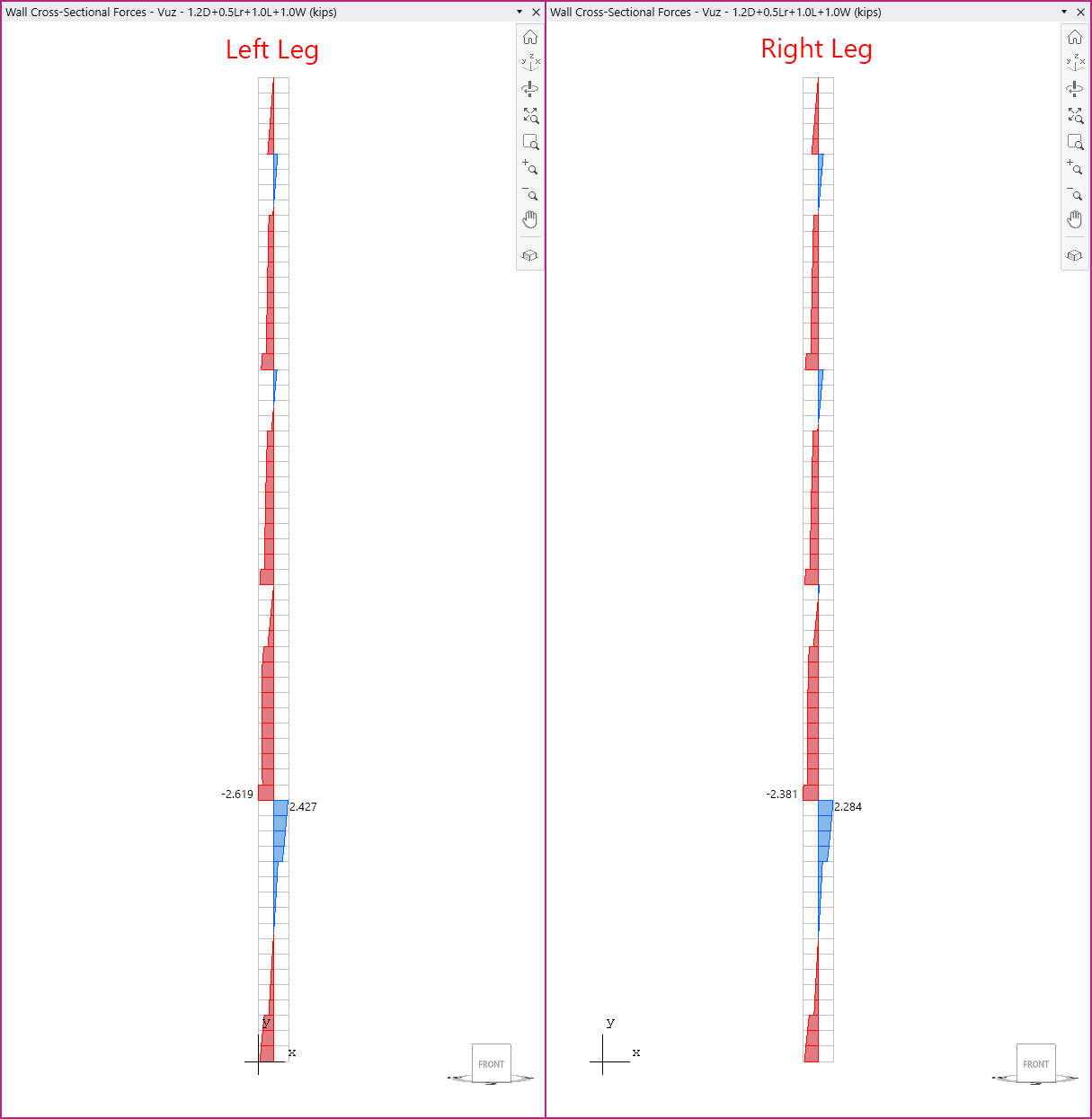
Figure 15 - Out-of-plane Shear Force Diagram (kips) (spWall)
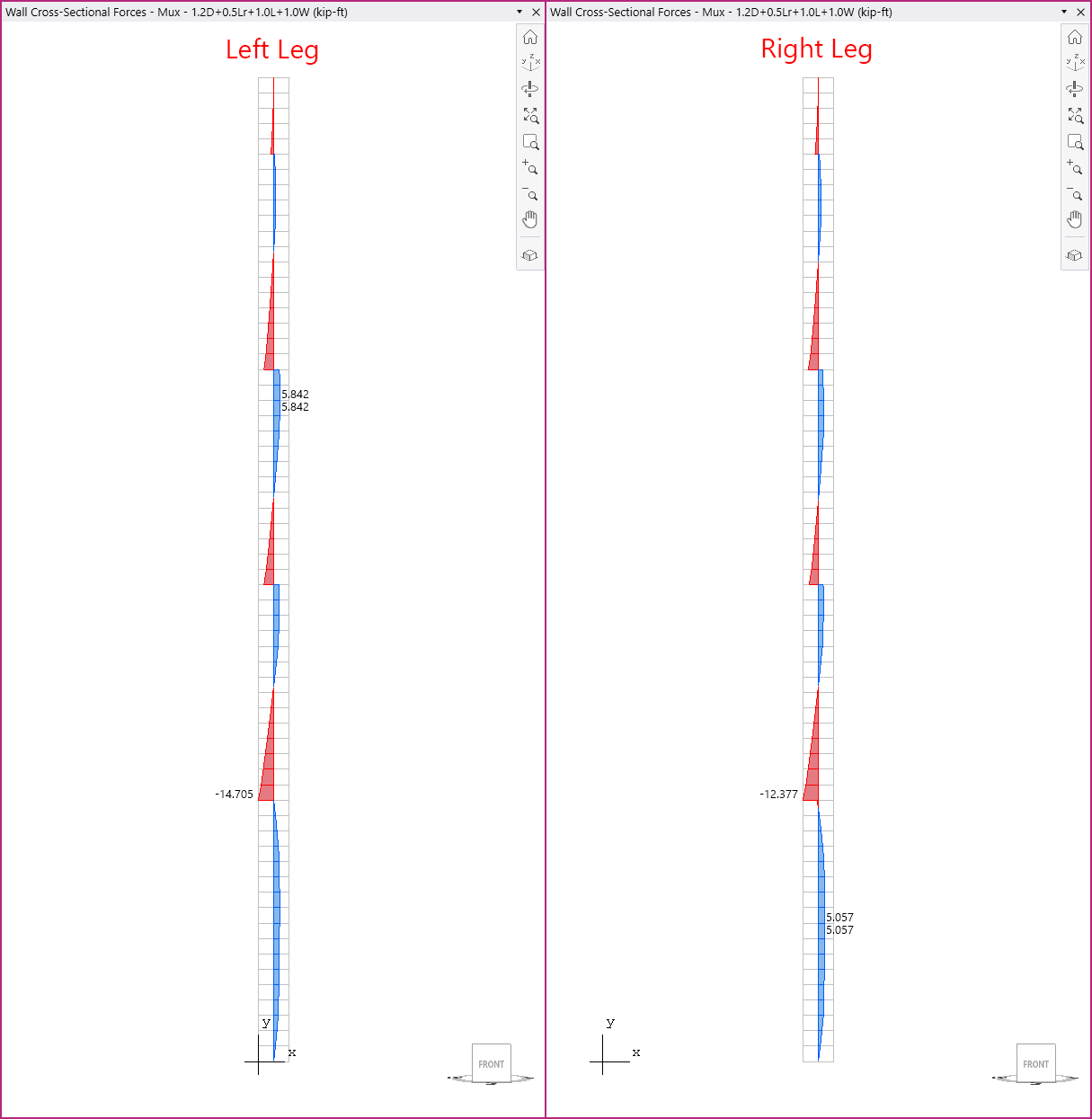
Figure 16 - First Order Bending Moment Diagram (kip-ft) (spWall)
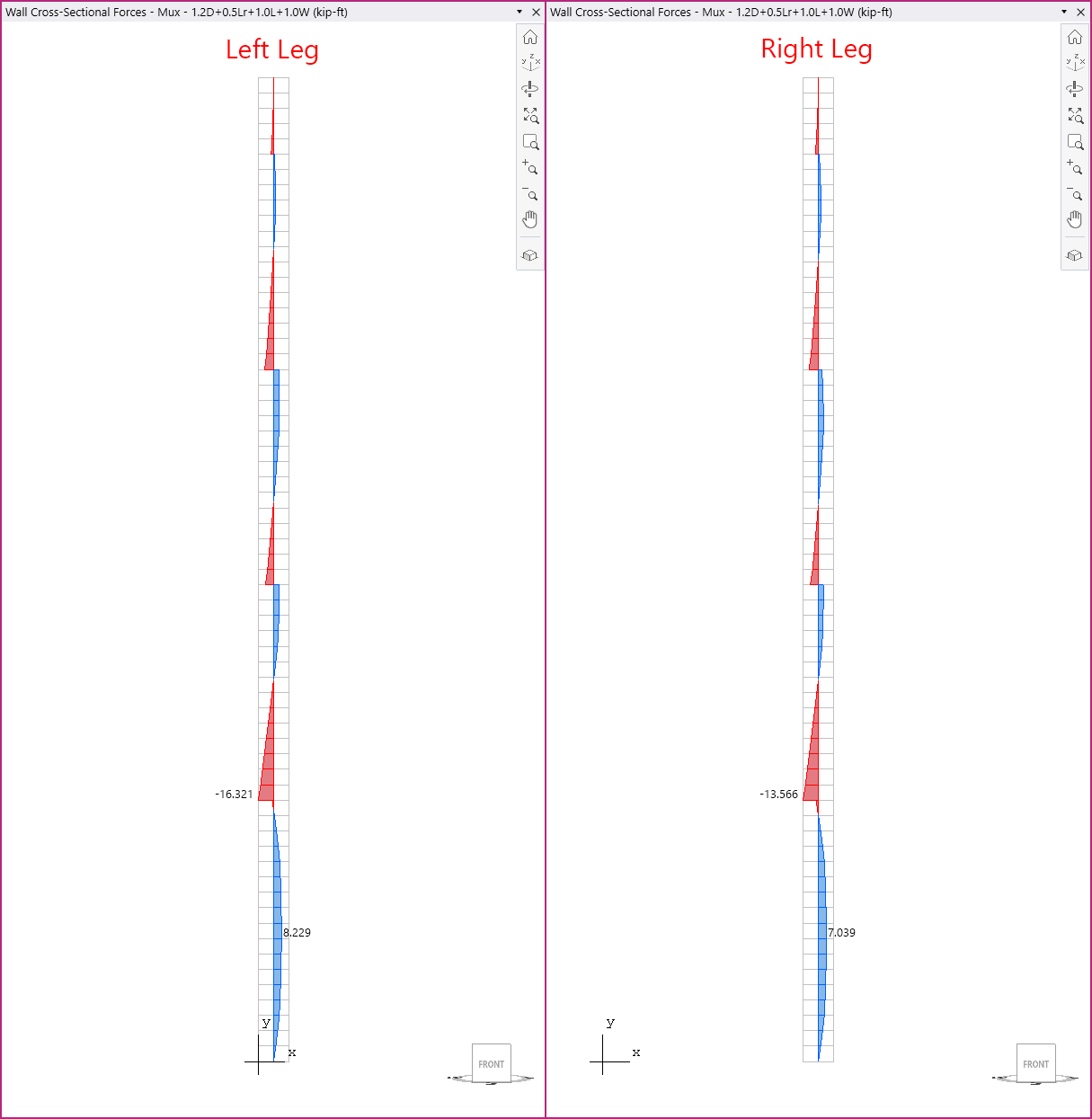
Figure 17 - Second Order Bending Moment Diagram (kip-ft) (spWall)
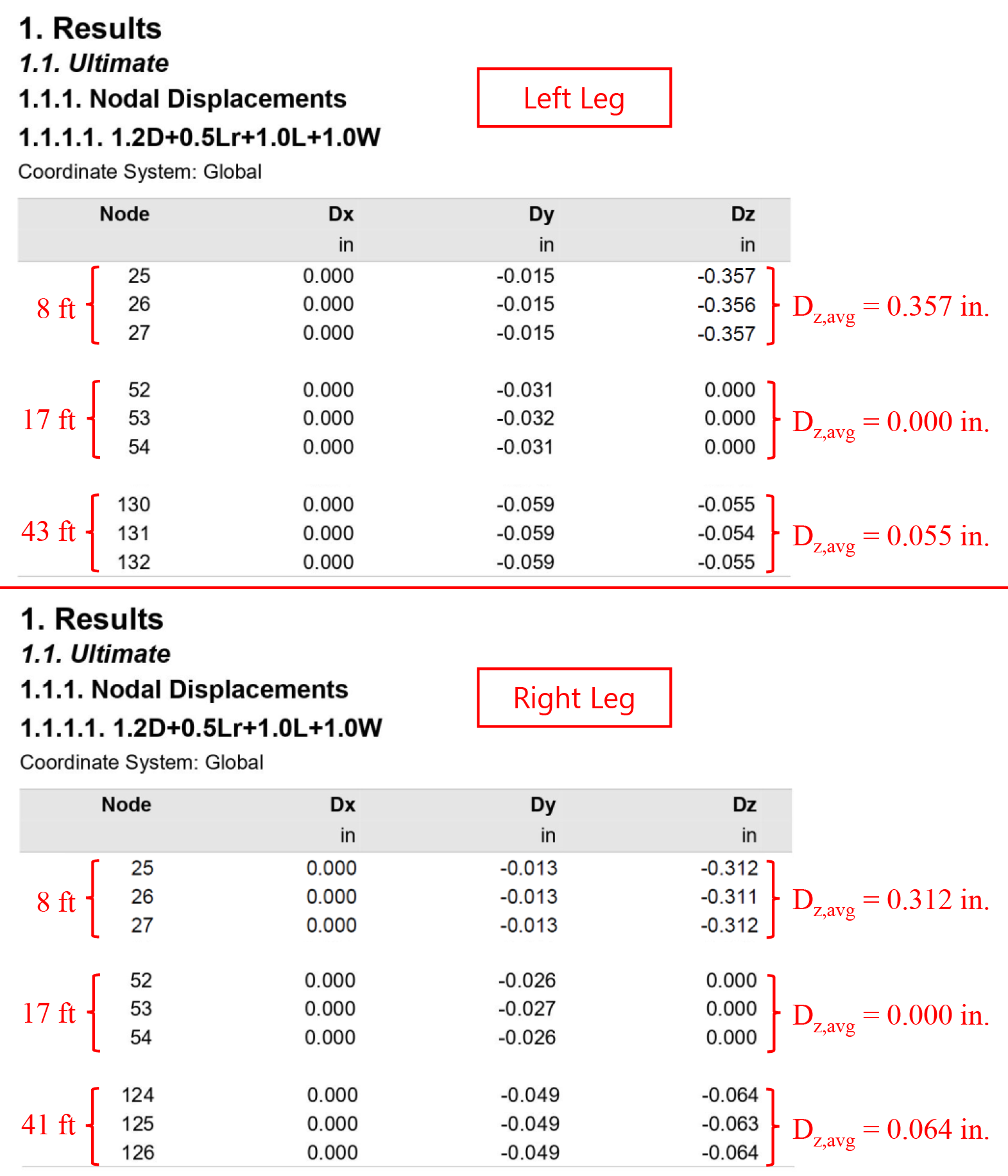
Figure 18 - Ultimate Displacement at Critical Sections (spWall)
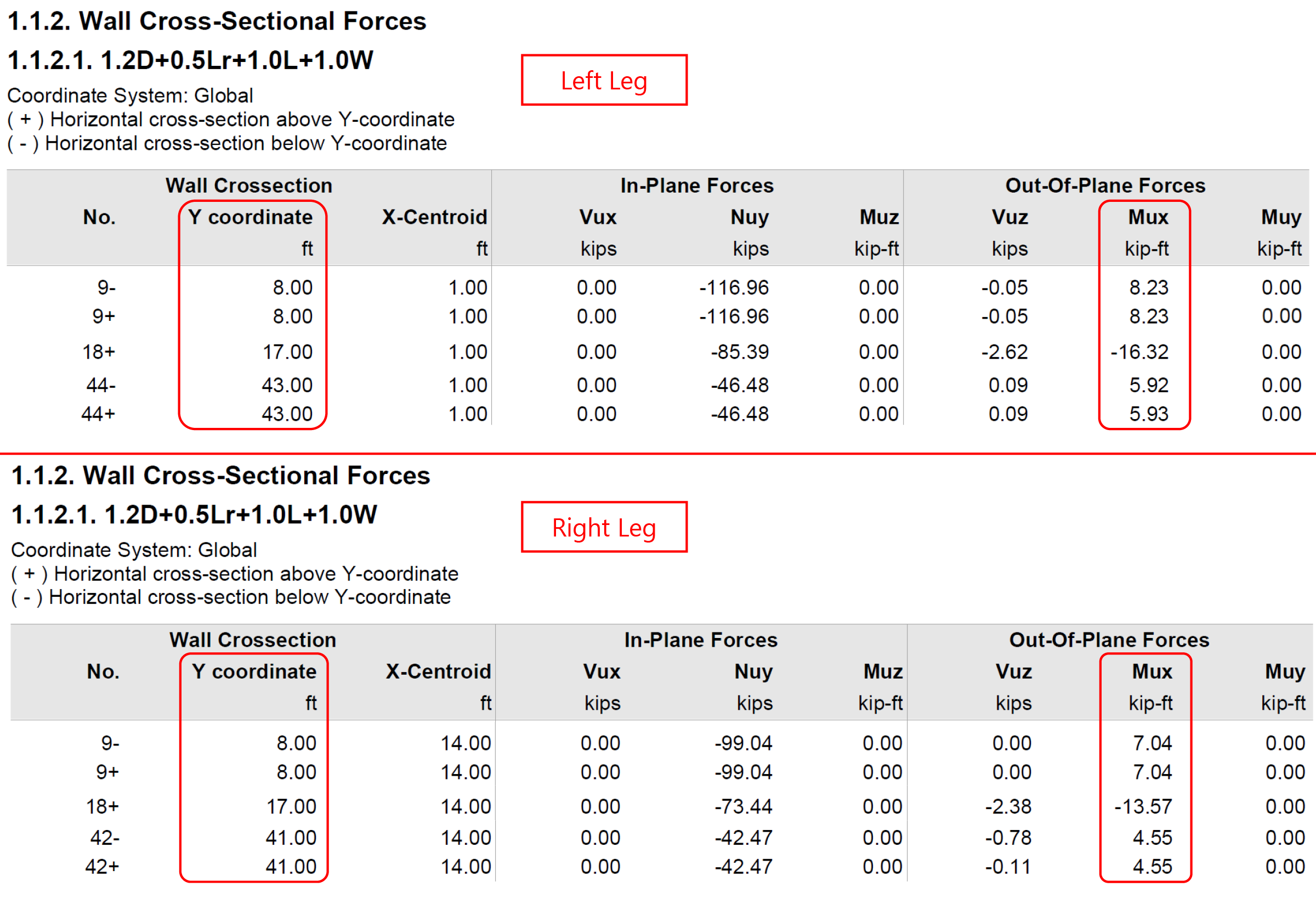
Figure 19 - Cross-Sectional Forces at Critical Sections (spWall)